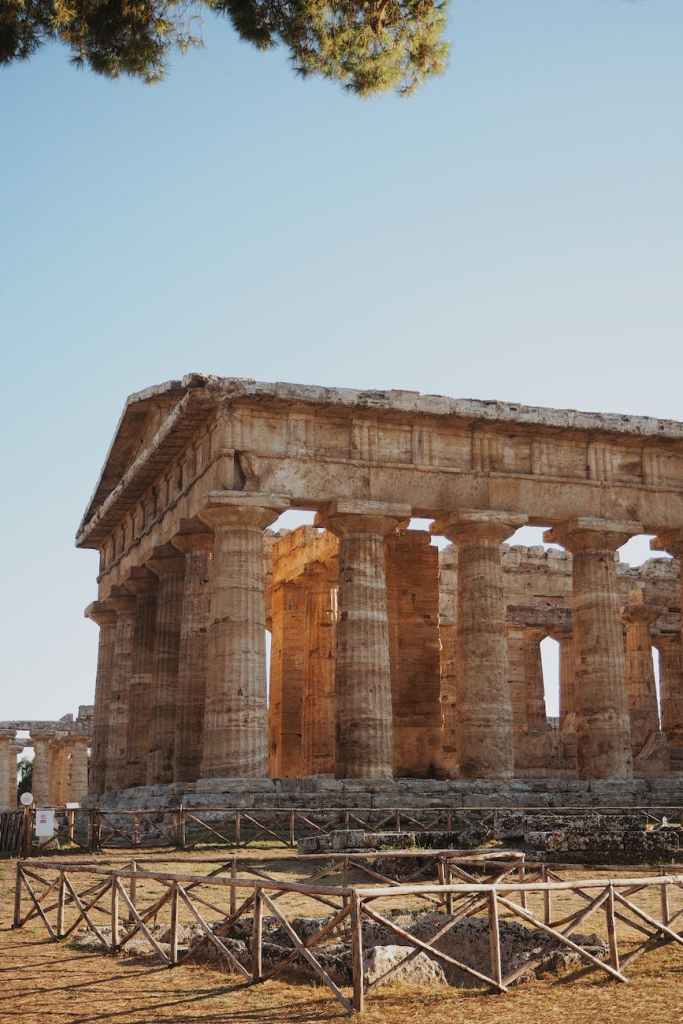
Ancient Sparta and Athens were two city-states in ancient Greece that had very different approaches to education. Sparta was a military state that placed a strong emphasis on physical fitness and discipline, while Athens was a center of learning and culture that emphasized intellectual development.
In Sparta, education was closely tied to military training. Boys were sent to military school at the age of 7, where they learned to read, write, and perform basic arithmetic. However, the main focus of education in Sparta was physical training, with a strong emphasis on martial skills and endurance. Boys were subjected to harsh physical training and were expected to be able to run long distances, jump high, and throw javelins with accuracy. They were also taught to be brave and self-disciplined, and were expected to be able to withstand pain and hardship.
In contrast, education in Athens was more focused on intellectual development. Boys in Athens began their education at the age of 7, and studied a range of subjects including literature, history, mathematics, and science. Education in Athens was provided by private tutors or in small schools called “paideia,” and was considered an essential part of life for all citizens. In addition to formal education, Athenians also had the opportunity to participate in cultural activities such as theater, music, and art, which were considered important for the development of the mind and the soul.
While the educational systems of Sparta and Athens were quite different, both were considered to be highly advanced for their time. Sparta’s emphasis on physical training and discipline made it a formidable military power, while Athens’ focus on intellectual development helped it become a center of learning and culture that still influences the world today.

 Catholic boarding schools